


Mediterranean Lemons
A Golden Treasure in Your Garden
PLANTSPLANTES
10/6/20251 min read
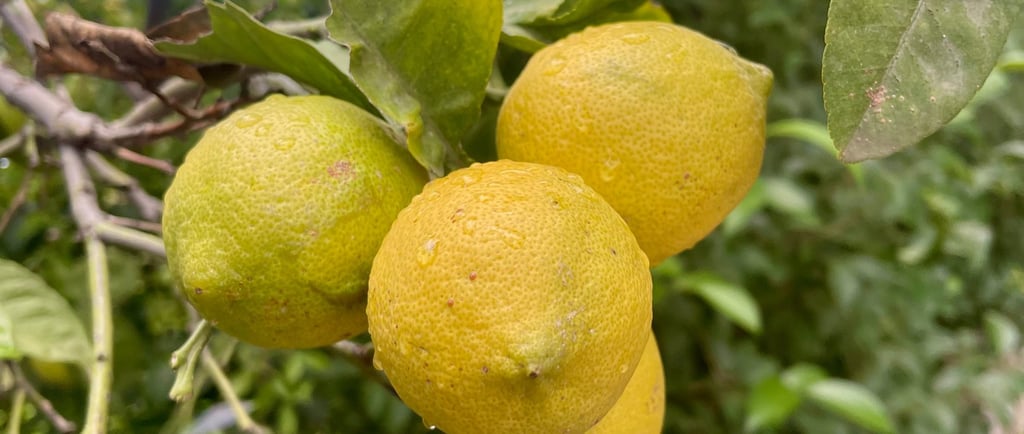
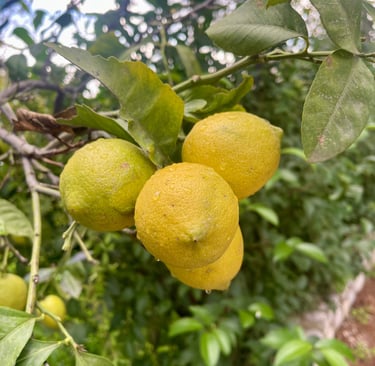
The Mediterranean Lemons: Greek Excellence and Exceptional Properties
The lemon, an emblematic fruit of the Mediterranean basin, is much more than just a citrus fruit: it embodies a unique cultural, culinary, and botanical wealth. Grown for centuries on the sun-kissed shores of Greece, this bright yellow fruit delights with its multiple varieties, nuanced flavors, and remarkable properties.
Greece occupies a privileged position in Mediterranean lemon production. The Maglini variety is the main one grown in Greece, particularly in the Peloponnese. It is a very productive, medium-sized variety with few seeds, offering juicy, well-balanced pulp.
Origins and Symbolism
The genetic origin of the lemon is a natural hybrid between a bitter orange tree and a citron tree, although its exact place of origin remains unknown. Very common in the Mediterranean, lemons are absent from Asia, where other citrus varieties dominate.
In Greece, the lemon is also a symbol of purity, wisdom and prosperity, often associated with fertility and protection.
Culinary and Gastronomic Use
In the kitchen, Greek lemon is used to flavor salads, enhance fish dishes, prepare homemade lemonades, or simply for its wellness benefits. Its aromatic zest and juicy pulp make it an essential ingredient in Mediterranean cuisine, ranging from simple squeezed lemon to the most refined culinary preparations.
Conclusion
The Greek Mediterranean lemon, with its many varieties, thousand-year history and exceptional properties, is a fruit that is both simple and noble, a symbol of sunshine, freshness and vitality. Whether you are an amateur gardener, a passionate cook or simply a lover of authentic flavours and natural well-being, the Greek lemon is a must-try that can be enjoyed all year round.